
The Facebook Battleground: The Platform Designed To Connect Us Has Become A Battle Royale Of Bullying And Harassment
 The Facebook battleground is an example of a well intentioned invention goes wrong. Facebook has evolved from a simple social networking platform into one of the most powerful tools for communication. Albeit, business or politics worldwide, it has become a force of nature.
Facebook has over 2.8 billion monthly active users and has become deeply embedded in daily life. It’s where we connect with friends, share moments, find news, or even build careers. The platform has grown to a point where there are now concerns about its role in society. Advocates have concerns revolve around privacy, security, and manipulation. Facebook, it seems, has unintentionally transformed into a digital battleground where cyberattacks and even political conflicts play out in real-time. Thus, the platform has become a focal point for the debates over privacy, trust, and control in the digital age.
The Dark Side of Connection
Facebook was conceived as a place to share personal updates and connect with friends. However, Facebook expanded and so did its capabilities. Facebook began accumulating vast amounts of personal data from its users. This data included not only what they shared, but also their interactions, likes, and interests were. In other words, this was a treasure trove of data. As a result, Facebook became a goldmine for advertisers, political groups, and, most disturbingly, malicious actors.
The introduction of targeted advertising allowed advertisers to target their campaigns based on a user’s detailed preferences and demographics. This became an economic boon for Facebook. However, it also introduced serious privacy concerns. The platform knew more about its users than many realized. As a result, this raised questions about who owned this data and how it was being used.
Data Breaches and Privacy Scandals
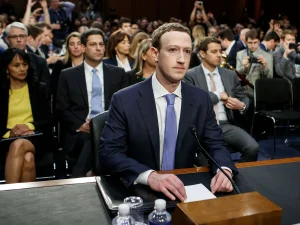 As Facebook grew, so did the risk of data breaches. One of the most significant privacy scandals occurred in 2018. It was revealed that a political consulting firm named Cambridge Analytica had illegally harvested data from 87 million Facebook users. The data was then used to target and influence voters in the 2016 U.S. presidential election.
The Cambridge Analytica scandal exposed how vulnerable Facebook users’ data was to exploitation. I also showed Facebook had failed to adequately protect its users’ privacy. It also raised questions about Facebook’s accountability for what happens with the data it collects. This was a turning point, not just for Facebook, but for social media in general.
The Role of Cyberattacks and Malicious Actors
Data breaches weren’t the only threat Facebook faced. As the platform also became a prime target for cyberattacks as it grew. Hackers, state-sponsored actors realized Facebook was a rich source of intelligence. From disinformation campaigns to full-blown hacking attempts and a battlefield for information and disinformation warfare.
Facebook came under scrutiny for being used as a tool for spreading fake news and disinformation during the 2016 election. Coordinated campaigns spread misleading information designed to sway voters and promote extremist ideologies. Research showed that fake news stories on Facebook spread six times faster than real news. As a result, this caused significant harm to democratic processes across the globe.
Russia’s Internet Research Agency (IRA) used Facebook to create fake accounts to sow discord and manipulate public opinion. These attacks highlighted the platform’s vulnerabilities. It also exposed how little regulation there was in the digital world to prevent this kind of manipulation.
The Facebook Battleground’s Adverse Impact on Society
The impacts of these breaches and manipulations have been profound. Facebook has also became the battleground for polarization. Algorithms pushed users into filter bubbles where they only saw content that aligned with their existing beliefs. As a result, this made it easier to demonize the “other side” of political or social debates. This has also contributed to a fragmented society. People stopped engaging in meaningful discourse. Instead, they opted to become entrenched in ideological silos.
Moreover, Facebook’s role in mental health issues became a point of concern. Studies have linked excessive use of Facebook and other social media platforms to anxiety, depression, and lower self-esteem. The addictive nature of the platform’s design have raised alarms about its impact on mental well-being.
The Fight for Accountability On The Facebook Battleground
The platform became a battleground. Users and lawmakers began to demand greater accountability from Facebook. The company faced numerous legal challenges and was fined over $5 billion by the Federal Trade Commission (FTC). There was growing pressure for Facebook to become more transparent. People wanted to know how Facebook handles user data and how it manages harmful content.
The European Union passed the General Data Protection Regulation (GDPR) in 2018. This marked a significant step in regulating tech giants like Facebook. The GDPR imposes stricter requirements on companies to protect user data. It also gives consumers greater control over their personal information. These regulatory efforts are a sign that governments are beginning to recognize the need for oversight in the digital space.
The Facebook Battleground Isn’t Going Away
Facebook remains a dominant player in the global digital landscape despite the scandals. Its vast user base and influential role in shaping discourse make it a powerful force. It also makes one that cannot be ignored or dismissed.
The Facebook battleground shows the complexities of living in a hyper-connected world. We’re increasingly faced with questions about how to balance privacy with convenience, freedom with security, and democracy with technology.
It’s clear that Facebook, like many other tech giants, must do more to ensure that its platform is not misused. But it’s also equally important for us, as users, to take ownership of our digital lives. We must demand better data protection and greater transparency.


